Buy bootcamps.eu ?
We are moving the project
bootcamps.eu .
Are you interested in purchasing the domain
bootcamps.eu ?
domain@kv-gmbh.de · 0541-91531010
Buy bootcamps.eu ?
What are demonstrative pronouns and relative pronouns?
Demonstrative pronouns are pronouns that are used to point to specific things or people. Examples of demonstrative pronouns include "this," "that," "these," and "those." Relative pronouns are pronouns that introduce dependent clauses and connect them to independent clauses. Examples of relative pronouns include "who," "whom," "whose," "which," and "that." **
Why are demonstrative pronouns called demonstrative pronouns?
Demonstrative pronouns are called demonstrative because they demonstrate or point to a specific noun or pronoun in a sentence. They help to indicate the position or location of the noun or pronoun in relation to the speaker or listener. By using demonstrative pronouns such as "this," "that," "these," and "those," speakers can make their communication more precise and clear by specifying which person, place, thing, or idea they are referring to. **

Similar search terms for Pronouns
Top-Angebote
Products related to Pronouns:
-
Inspire Select 2025 Health Smart Watch AMOLED Bluetooth Call Fitness Tracker With ECG & Wellness Monitoring blackStay connected while monitoring your daily wellness with this advanced health smart watch designed for fitness, lifestyle tracking, and smart convenience. Featuring a stunning AMOLED smartwatch display, Bluetooth calling, ECG monitoring, and...288,98 $*Shipping: 0,00 $Secure redirect to the provider
-
SHORT BOOKS LTD Fast Exercise – The Science of High-Intensity Training for Better Health by Dr Michael Mosley Fitness, Weight Loss & Longevity BookGet fitter, healthier, and stronger—in less time. In Fast Exercise, bestselling health expert Dr Michael Mosley explores the science behind high-intensity interval training (HIIT) and explains how short, efficient workouts can deliver powerful health benefits. Backed by cutting-edge research, this book shows how brief bursts of intense activity can improve fitness, weight loss, blood sugar control, heart health, and longevity. Dr Mosley breaks down complex science into practical, easy-to-follow advice, making this book ideal for people who are short on time but serious about their health. Whether you’re new to exercise or looking to optimize your routine, Fast Exercise provides realistic, evidence-based strategies that fit into everyday life. What You’ll Learn: How HIIT boosts fitness in minutes a week The link between exercise, metabolism, and longevity Simple fast-exercise routines you can do anywhere How to improve insulin sensitivity and heart health Science-backed tips from a trusted medical expert Perfect for fans of The Fast Diet and The 5:2 Method, Fast Exercise is an essential guide to modern fitness and long-term wellbeing.1,50 £*Shipping: 1,99 £Secure redirect to the provider
-
Healfit Counter Skipping Exercise Jump Rope, Steel Wire, Adjustable Fitness Workout, Home Training, Tangle Free Sport Equipment blueElevate your fitness routine with the New Jump Rope Steel Wire, designed for effective skipping exercise and fullbody workouts. This adjustable jumping fitness tool is perfect for home, gym, or outdoor training sessions, providing a tanglefree...24,97 $*Shipping: 0,00 $Secure redirect to the provider
-
Healfit Counter Skipping Exercise Jump Rope, Steel Wire, Adjustable Fitness Workout, Home Training, Tangle Free Sport Equipment blackElevate your fitness routine with the New Jump Rope Steel Wire, designed for effective skipping exercise and fullbody workouts. This adjustable jumping fitness tool is perfect for home, gym, or outdoor training sessions, providing a tanglefree...24,97 $*Shipping: 0,00 $Secure redirect to the provider


-
With which pronouns do many people confuse reflexive pronouns?
Many people confuse reflexive pronouns with personal pronouns. For example, they may use "myself" or "yourself" instead of "me" or "you" in a sentence. This confusion often occurs when people are trying to emphasize the subject of the sentence, but they mistakenly use a reflexive pronoun instead of a personal pronoun. It's important to understand the difference between reflexive and personal pronouns in order to use them correctly in sentences. **
-
What are pronouns?
Pronouns are words that are used in place of nouns to avoid repetition in a sentence. They can refer to people, places, things, or ideas. Pronouns help make sentences clearer and more concise by replacing specific nouns with general words like "he," "she," "it," "they," and "we." Using pronouns also helps to maintain the flow of writing and make it more engaging for the reader. **
-
Can you help me with personal pronouns and possessive pronouns?
Certainly! Personal pronouns are used to replace nouns in a sentence, such as "I", "you", "he", "she", "it", "we", and "they". Possessive pronouns show ownership or possession, such as "mine", "yours", "his", "hers", "ours", and "theirs". If you need help understanding how to use these pronouns in a sentence or identifying which pronoun to use in a specific context, feel free to ask for more guidance. **
-
What is the difference between relative pronouns and interrogative pronouns?
Relative pronouns are used to connect a dependent clause to an independent clause, providing more information about a noun in the independent clause. They include words like "who," "which," and "that." Interrogative pronouns, on the other hand, are used to ask questions and gather information. They include words like "who," "what," "which," "whom," and "whose." The main difference between the two is their function in a sentence - relative pronouns connect clauses, while interrogative pronouns are used to ask questions. **

What is the difference between personal pronouns and reflexive pronouns?
Personal pronouns are used to refer to people or things, such as "I," "you," "he," "she," "it," "we," and "they." Reflexive pronouns, on the other hand, are used when the subject and object of a sentence are the same person or thing, such as "myself," "yourself," "himself," "herself," "itself," "ourselves," and "themselves." Reflexive pronouns are used to reflect the action back onto the subject, while personal pronouns simply refer to the subject or object. **
Which pronouns do many people often confuse with reflexive pronouns?
Many people often confuse reflexive pronouns with intensive pronouns. Intensive pronouns are used to emphasize a preceding noun or pronoun, while reflexive pronouns are used when the subject and object of a sentence are the same. For example, "I myself will do it" uses an intensive pronoun, while "I hurt myself" uses a reflexive pronoun. It is important to understand the distinction between these two types of pronouns to use them correctly in sentences. **
Top-Angebote
Products related to Pronouns:
-
Healfit Counter Skipping Exercise Jump Rope, Steel Wire, Adjustable Fitness Workout, Home Training, Tangle Free Sport Equipment greenElevate your fitness routine with the New Jump Rope Steel Wire, designed for effective skipping exercise and fullbody workouts. This adjustable jumping fitness tool is perfect for home, gym, or outdoor training sessions, providing a tanglefree...24,97 $*Shipping: 0,00 $Secure redirect to the provider
-
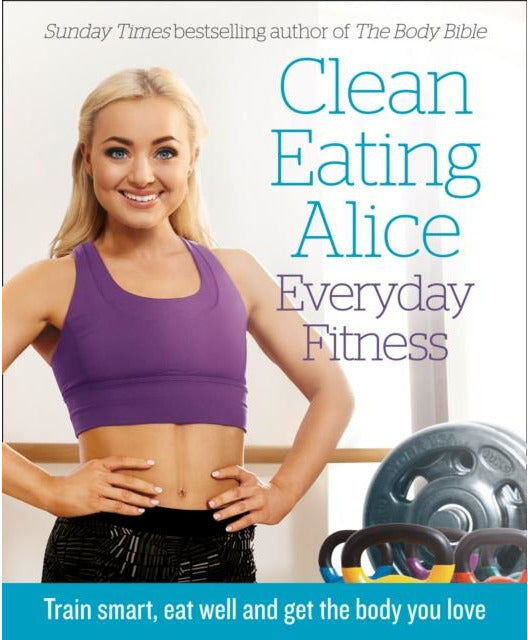
HARPERCOLLINS Clean Eating Alice: Everyday Fitness – Healthy Recipes & Practical Workout Guide for Everyday Wellness by Alice Liveing – Workout & Nutrition GuideTransform your approach to health and fitness with Clean Eating Alice Everyday Fitness: Train Smart, Eat Well and Get the Body You Love by Alice Liveing. This practical, motivating guide combines smart training principles with balanced nutrition to help readers build strength, confidence, and sustainable healthy habits. Alice Liveing shares structured workout plans, approachable meal ideas, and realistic lifestyle advice designed to fit everyday routines — no extremes or quick fixes required. Focused on long-term wellbeing rather than short-term dieting, the book empowers readers to develop a positive relationship with food and exercise while working toward personal fitness goals. Whether you’re new to training or refining your routine, this guide offers clear, supportive direction for lasting results. Why Readers Love This Book: Structured fitness training plans for real-life schedules Balanced nutrition guidance — no fad dieting Encourages sustainable, long-term habits Motivational, beginner-friendly tone Ideal for home or gym-based workouts A smart, accessible roadmap to healthier living, Clean Eating Alice Everyday Fitness helps readers feel strong, energized, and confident.2,80 £*Shipping: 1,99 £Secure redirect to the provider
-
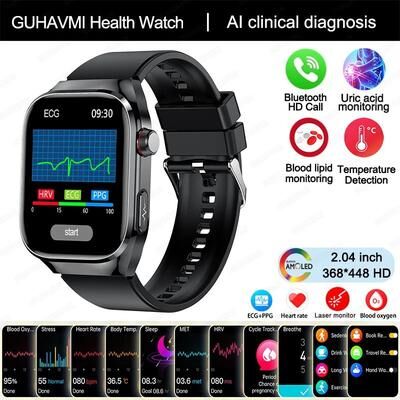
Inspire Select 2025 Health Smart Watch AMOLED Bluetooth Call Fitness Tracker With ECG & Wellness Monitoring blackStay connected while monitoring your daily wellness with this advanced health smart watch designed for fitness, lifestyle tracking, and smart convenience. Featuring a stunning AMOLED smartwatch display, Bluetooth calling, ECG monitoring, and...288,98 $*Shipping: 0,00 $Secure redirect to the provider
-
SHORT BOOKS LTD Fast Exercise – The Science of High-Intensity Training for Better Health by Dr Michael Mosley Fitness, Weight Loss & Longevity BookGet fitter, healthier, and stronger—in less time. In Fast Exercise, bestselling health expert Dr Michael Mosley explores the science behind high-intensity interval training (HIIT) and explains how short, efficient workouts can deliver powerful health benefits. Backed by cutting-edge research, this book shows how brief bursts of intense activity can improve fitness, weight loss, blood sugar control, heart health, and longevity. Dr Mosley breaks down complex science into practical, easy-to-follow advice, making this book ideal for people who are short on time but serious about their health. Whether you’re new to exercise or looking to optimize your routine, Fast Exercise provides realistic, evidence-based strategies that fit into everyday life. What You’ll Learn: How HIIT boosts fitness in minutes a week The link between exercise, metabolism, and longevity Simple fast-exercise routines you can do anywhere How to improve insulin sensitivity and heart health Science-backed tips from a trusted medical expert Perfect for fans of The Fast Diet and The 5:2 Method, Fast Exercise is an essential guide to modern fitness and long-term wellbeing.1,50 £*Shipping: 1,99 £Secure redirect to the provider
-
What are demonstrative pronouns and relative pronouns?
Demonstrative pronouns are pronouns that are used to point to specific things or people. Examples of demonstrative pronouns include "this," "that," "these," and "those." Relative pronouns are pronouns that introduce dependent clauses and connect them to independent clauses. Examples of relative pronouns include "who," "whom," "whose," "which," and "that." **
-
Why are demonstrative pronouns called demonstrative pronouns?
Demonstrative pronouns are called demonstrative because they demonstrate or point to a specific noun or pronoun in a sentence. They help to indicate the position or location of the noun or pronoun in relation to the speaker or listener. By using demonstrative pronouns such as "this," "that," "these," and "those," speakers can make their communication more precise and clear by specifying which person, place, thing, or idea they are referring to. **
-
With which pronouns do many people confuse reflexive pronouns?
Many people confuse reflexive pronouns with personal pronouns. For example, they may use "myself" or "yourself" instead of "me" or "you" in a sentence. This confusion often occurs when people are trying to emphasize the subject of the sentence, but they mistakenly use a reflexive pronoun instead of a personal pronoun. It's important to understand the difference between reflexive and personal pronouns in order to use them correctly in sentences. **
-
What are pronouns?
Pronouns are words that are used in place of nouns to avoid repetition in a sentence. They can refer to people, places, things, or ideas. Pronouns help make sentences clearer and more concise by replacing specific nouns with general words like "he," "she," "it," "they," and "we." Using pronouns also helps to maintain the flow of writing and make it more engaging for the reader. **
Similar search terms for Pronouns
-
Healfit Counter Skipping Exercise Jump Rope, Steel Wire, Adjustable Fitness Workout, Home Training, Tangle Free Sport Equipment blueElevate your fitness routine with the New Jump Rope Steel Wire, designed for effective skipping exercise and fullbody workouts. This adjustable jumping fitness tool is perfect for home, gym, or outdoor training sessions, providing a tanglefree...24,97 $*Shipping: 0,00 $Secure redirect to the provider
-
Healfit Counter Skipping Exercise Jump Rope, Steel Wire, Adjustable Fitness Workout, Home Training, Tangle Free Sport Equipment blackElevate your fitness routine with the New Jump Rope Steel Wire, designed for effective skipping exercise and fullbody workouts. This adjustable jumping fitness tool is perfect for home, gym, or outdoor training sessions, providing a tanglefree...24,97 $*Shipping: 0,00 $Secure redirect to the provider
-
Healfit Counter Skipping Exercise Jump Rope, Steel Wire, Adjustable Fitness Workout, Home Training, Tangle Free Sport Equipment redElevate your fitness routine with the New Jump Rope Steel Wire, designed for effective skipping exercise and fullbody workouts. This adjustable jumping fitness tool is perfect for home, gym, or outdoor training sessions, providing a tanglefree...24,97 $*Shipping: 0,00 $Secure redirect to the provider
-
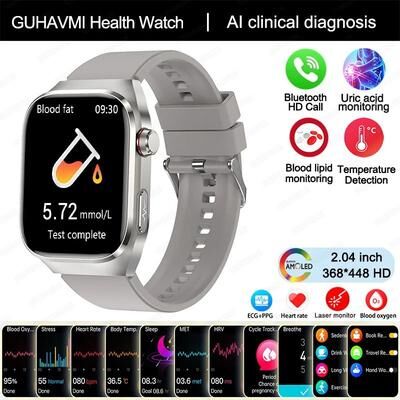
Inspire Select 2025 Health Smart Watch AMOLED Bluetooth Call Fitness Tracker With ECG & Wellness Monitoring silverStay connected while monitoring your daily wellness with this advanced health smart watch designed for fitness, lifestyle tracking, and smart convenience. Featuring a stunning AMOLED smartwatch display, Bluetooth calling, ECG monitoring, and...298,98 $*Shipping: 0,00 $Secure redirect to the provider
-
Can you help me with personal pronouns and possessive pronouns?
Certainly! Personal pronouns are used to replace nouns in a sentence, such as "I", "you", "he", "she", "it", "we", and "they". Possessive pronouns show ownership or possession, such as "mine", "yours", "his", "hers", "ours", and "theirs". If you need help understanding how to use these pronouns in a sentence or identifying which pronoun to use in a specific context, feel free to ask for more guidance. **
-
What is the difference between relative pronouns and interrogative pronouns?
Relative pronouns are used to connect a dependent clause to an independent clause, providing more information about a noun in the independent clause. They include words like "who," "which," and "that." Interrogative pronouns, on the other hand, are used to ask questions and gather information. They include words like "who," "what," "which," "whom," and "whose." The main difference between the two is their function in a sentence - relative pronouns connect clauses, while interrogative pronouns are used to ask questions. **
-
What is the difference between personal pronouns and reflexive pronouns?
Personal pronouns are used to refer to people or things, such as "I," "you," "he," "she," "it," "we," and "they." Reflexive pronouns, on the other hand, are used when the subject and object of a sentence are the same person or thing, such as "myself," "yourself," "himself," "herself," "itself," "ourselves," and "themselves." Reflexive pronouns are used to reflect the action back onto the subject, while personal pronouns simply refer to the subject or object. **
-
Which pronouns do many people often confuse with reflexive pronouns?
Many people often confuse reflexive pronouns with intensive pronouns. Intensive pronouns are used to emphasize a preceding noun or pronoun, while reflexive pronouns are used when the subject and object of a sentence are the same. For example, "I myself will do it" uses an intensive pronoun, while "I hurt myself" uses a reflexive pronoun. It is important to understand the distinction between these two types of pronouns to use them correctly in sentences. **
* All prices are inclusive of VAT and, if applicable, plus shipping costs. The offer information is based on the details provided by the respective shop and is updated through automated processes. Real-time updates do not occur, so deviations can occur in individual cases. ** Note: Parts of this content were created by AI.